

If there was any chance of someone standing up to the ever-changing world of college football eligibility these days, don't expect much from the SEC or its commissioner, Greg Sankey. Last week, a Louisiana lawsuit greenlit over a dozen players a fifth year of college eligibility, including some of whom were playing on NFL rosters.
In a previously unheard of possibility, the result is that several players who have suited up for NFL teams over the last few months are now returning to give it the old college try once more.
Former Ole Miss tight end Dae'Quan Wright is expected to join his former head coach, Lane Kiffin, at LSU once he clears waivers from the NFL. Fellow former Rebel Zavian Harris also is reportedly headed to LSU, and former Notre Dame defensive end Junior Tuihalamaka is also headed to Baton Rouge.
The NCAA stood little chance of winning this fight. It has an abysmal court record when it comes to denying athletes the right to make money from name, image and likeness. Not to mention the court losses make it virtually impossible to enforce much of anything when it comes to NIL, recruiting and the like.
While attempting to take a stand, the SEC gave a hilariously toothless response
But for the SEC, the conference that so far has seen the most players return from the NFL, you'd think at the very least it could take a stand against all this. Instead, the conference trotted out this absolutely spinless statement on Monday evening:
"College athletes, not former professional athletes, have been at the heart of the Southeastern Conference," the statement read. "Individuals who choose to leave college athletics, sign professional playing contracts, and compete professionally should not then be permitted to return to college competition.
"Allowing that to occur will blur the line between college and professional sports, create significant competitive equity concerns, and reduce opportunities for high school and current college athletes. College sports are for college athletes. The current confusion around national eligibility standards emphasizes the need to advance the Protect College Sports Act."
After a Monday evening videoconference of the Presidents and Chancellors of the Southeastern Conference, the Conference is issuing the following statement: pic.twitter.com/kwWxGz5CQ3
— Southeastern Conference (@SEC) August 24, 2026
This could have been such an easy slam dunk for the SEC. If it really was so against, in its own words "individuals who choose to leave college athletics, sign professional contracts and compete professionally should not then be permitted to return to college competition," why not issue a blanket barring those players from competing in the SEC?
"If he wanted to he would," the SEC edition
Peer pressure works, and there's strength in numbers when it comes to holding your feet to the fire. Hell, just a couple months ago, a bunch of Big 12 athletic directors and coaches foiled Brendan Sorsby's plans to play for Texas Tech after a Texas judge ruled in his favor.
The SEC ending its statement with another call to pass the Protect College Sports Act—which has failed to even reach the threshold to go to a vote in Congress—is a big white flag to wave.
Of course, the hypothetical possibility of the ramifications of the SEC doing something like that is also fun to consider. Can you imagine Kiffin, the Transfer Portal King, being denied to pull off his greatest portal haul yet? Other coaches in the SEC who'd like to sign some of those players seeing them go to the likes of the Big Ten, ACC etc. certainly wouldn't be happy.
For the NCAA, the eligibility crisis is once again the surest sign that there are no rules, and far from any adults in the room. The NCAA is an organization that preaches the sanctity of academics and continues to pound the term "student-athletes." Calling them professionals is more accurate, since the reality is that these college athletes make anywhere between thousands of dollars to millions while earning a degree.
Last week, Wright, Harris and Tuihalamaka were part of a group of 15 players given another year of eligibility thanks to a ruling stemming from a lawsuit filed in a Louisiana state court. Also included in the group is former South Carolina safety DQ Smith, and App State defensive back Ehan Johnson, who has since signed with the Gamecocks.
The lawsuit was one of several that have been filed as a result of Federal Judge Charlotte Sweeney's class-action injunction that opened the door for players getting a fifth season. The class-action lawsuit came as a result of the NCAA changing its eligibility rules in May, giving players five years of eligibility instead of the previous four. Although the organization did notch a slight legal victory in court as an appeals court granted a stay of Judge Sweeney's ruling. But that stay, granted by the Tenth Circuit, does not affect Johnson and the other players involved in the state Louisiana TRO.
It is indeed a mess, and one conference standing up to what the NCAA created won't solve the various issues in college athletics with respect to eligibility. But it would at the very least show it wants to stand up to protect the value of education and that "student-athletes" are worth fighting for.
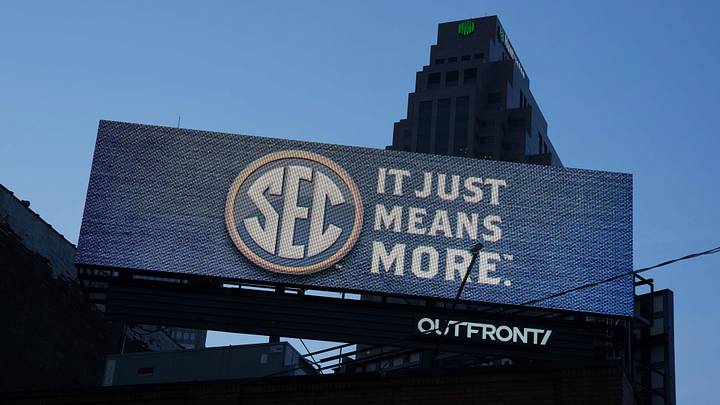
Instead, the SEC's nothingburger statement in the "It Just Means More" font is the best we'll get.
 Add us as a preferred source on Google